Voltmat Power Voltmat Power

2026 How to Choose the Best DC-DC Converter for Your Needs?

Time:2026-08-13 Author:Charlotte
0%

Choosing the right DC-DC Converter is crucial for your electronic projects. These devices play a vital role in voltage regulation. They ensure that your components receive stable power, which is critical for performance.

Many factors come into play when selecting a DC-DC Converter. Consider input and output voltage requirements. Each project has unique power needs. Additionally, efficiency matters. Higher efficiency means less energy wasted as heat. This can lead to extended battery life and improved safety.

Understanding your specific application is essential. A converter suitable for a smartphone may not work for an industrial device. Do your research and evaluate specifications carefully. It’s worth noting that not every option will meet your expectations. Reflecting on past experiences can guide your choice significantly.
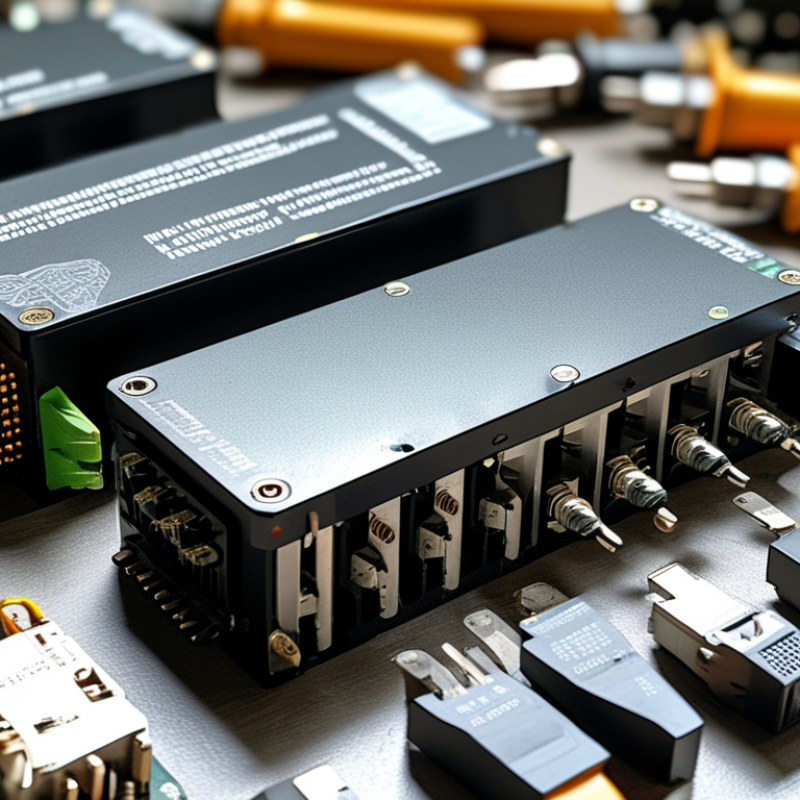
2026 How to Choose the Best DC-DC Converter for Your Needs?

Understanding the Basics of DC-DC Converters

Understanding DC-DC converters is crucial for various applications, especially in electronics. These devices convert one DC voltage level to another. They are essential in battery-powered devices, renewable energy systems, and electric vehicles. In recent years, the market for DC-DC converters has experienced rapid growth, with projections indicating it may reach USD 36 billion by 2026, as per industry reports.

The efficiency of DC-DC converters is a vital characteristic. High efficiency minimizes energy loss. Popular designs include buck, boost, and buck-boost converters. Each variant serves specific purposes. For example, buck converters reduce voltage, while boost converters increase it. According to research, efficiency rates can vary significantly, ranging from 80% to 95% depending on the design and application.

Choosing the right converter involves careful consideration of factors like input and output voltage, current ratings, and load requirements. It’s also necessary to reflect on the durability and thermal performance of these devices. Some converters may not perform well under extreme conditions. Regular advancements in technology introduce newer models with improved features. However, ensuring compatibility and reliability remains a challenge in selection processes.

Key Specifications to Consider When Choosing a DC-DC Converter

When selecting a DC-DC converter, a few key specifications stand out. Efficiency is crucial. High-efficiency converters can reach up to 95%, often translating to lower thermal losses. This is vital for applications in mobile devices or electric vehicles, where every watt matters. A 2022 industry report highlights that power density has improved, with many converters achieving 20 watts per cubic centimeter.


Input voltage range is another important consideration. It affects system compatibility significantly. For instance, a wider input voltage range ensures flexibility in applications. It is common to find converters operating from 2.5V to 60V. This versatility allows for various industrial applications, extending their usability.


Output regulation must also be carefully assessed. Tight output regulation will maintain consistent voltage levels across varying loads. This can prevent system failures and ensure reliability. Poor regulation can lead to performance issues. A report published in 2023 indicated that regulatory feedback must be critical in design evaluation. Finding the right balance is essential for optimal performance.

Types of DC-DC Converters and Their Applications

DC-DC converters are vital in various applications ranging from portable electronics to electric vehicles. Understanding the types of DC-DC converters can significantly enhance their application. There are several types, including buck, boost, and buck-boost converters. Each type serves distinct purposes based on the required output voltage relative to the input voltage.


The buck converter steps down voltage efficiently, making it suitable for low-voltage devices. According to industry reports, the demand for buck converters is projected to grow significantly due to the rise in battery-operated devices. Meanwhile, boost converters step up voltage, crucial for applications needing higher output voltages from lower input sources. Many renewable energy systems rely on boost converters to optimize energy harvesting.


Buck-boost converters provide flexibility, allowing voltage regulation both ways. This versatility makes them popular in automotive fields and portable mobile devices. However, choosing the right type isn’t always straightforward. Factors like efficiency, load requirements, and thermal performance often demand careful evaluation. Users should analyze specific needs rather than relying on generalized solutions, as the wrong choice can lead to system inefficiencies.

Evaluating Efficiency and Performance in DC-DC Converters

When evaluating DC-DC converters, efficiency is a key factor. It directly impacts the energy consumption of your application. A high efficiency means less energy wasted as heat, which is ideal for battery-powered devices. Look for converters with a minimum of 85% efficiency for optimal performance.

Performance is just as critical. Consider the load regulation and transient response. A converter with excellent load regulation will maintain output voltage despite fluctuations in load. Transient response measures how quickly the converter can adjust to sudden changes. Aim for a fast response time, ideally within a few microseconds.

Tips: Always check the thermal characteristics of your chosen converter. High temperatures can reduce efficiency. Additionally, ensure the converter meets your specific voltage and current requirements. A mismatch can lead to serious performance issues. Understanding these factors will guide you in making the right selections.

Common Mistakes to Avoid When Selecting a DC-DC Converter

Selecting the right DC-DC converter can be challenging. Many users overlook the critical factors that influence performance. One common mistake is ignoring the input and output voltage ranges. Ensure the converter meets your specific voltage requirements. Mismatched voltages can lead to poor performance or even damage.

Another frequent error is neglecting load requirements. Knowing your load's current demands is essential. A converter must handle peak loads without overheating. Many make assumptions on this, leading to frustration later. Also, users often underestimate the importance of efficiency ratings. Low efficiency can cause excess heat and energy loss, affecting overall system performance.

Lastly, people often rush through documentation. Data sheets provide vital insights on operating conditions. Failing to review these details can cost time and resources in the long run. Pay attention to the thermal management specifications too. It’s a detail that can easily slip through the cracks, but it’s crucial for stability and reliability. Choose wisely, and your system will thank you.

FAQS

: What are DC-DC converters used for?

: They convert one DC voltage level to another, common in electronics, batteries, renewable energy, and electric vehicles.

Why is efficiency important in DC-DC converters?

High efficiency minimizes energy loss, ensuring better performance in applications like battery-powered devices.

What are the common types of DC-DC converters?

The most popular designs include buck, boost, and buck-boost converters, each serving distinct voltage functions.

How do I choose the right DC-DC converter?

Consider factors like input/output voltage, current ratings, load requirements, and thermal performance for effective selection.

What efficiency should I look for in a DC-DC converter?

Aim for converters with a minimum efficiency of 85% for optimal performance and reduced energy waste.

What does load regulation mean in a DC-DC converter?

It refers to the converter's ability to maintain stable output voltage despite fluctuations in load.

Why is thermal performance significant?

High temperatures can negatively impact efficiency, leading to potential performance issues in your device.

How quickly should a converter respond to changes?

A good transient response time is crucial, ideally within a few microseconds for optimal adjustment capabilities.

What challenges do I face when selecting a converter?

Compatibility and reliability remain challenging as new models often introduce advanced features that require careful consideration.

Can performance vary significantly among different designs?

Yes, efficiency rates can vary from 80% to 95%, depending on the design and specific application conditions.

Conclusion

In the process of selecting the best DC-DC Converter for your needs, it is essential to understand the fundamentals of these devices, including their functionality and the various types available, such as buck, boost, and buck-boost converters, each serving specific applications. Key specifications, such as input voltage range, output voltage, current rating, and thermal performance, play a crucial role in ensuring compatibility with your project requirements.

Evaluating the efficiency and performance of DC-DC Converters is vital to achieve optimal power management and avoid unnecessary energy loss. Additionally, being aware of common mistakes, like overlooking transient response or not considering load demands, can help ensure a more effective selection process. By taking these factors into account, you can make an informed choice that aligns with your project's objectives.

Charlotte

Charlotte

Charlotte is a seasoned marketing professional with a deep understanding of the company's portfolio and a passion for elevating its presence in the market. With a keen eye for detail and a commitment to excellence, she ensures that our professional blog is regularly updated with insightful articles......