Voltmat Power
Voltmat Power
Voltmat Power
Explore our top-tier industrial adjustable switching power supplies. Highly efficient, ultra-stable, and engineered with advanced overload protection mechanisms.
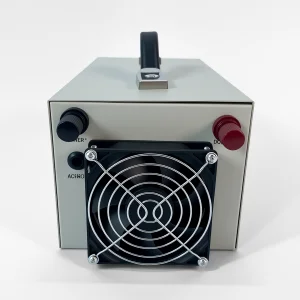
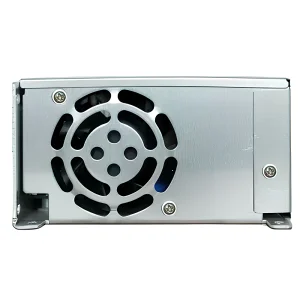
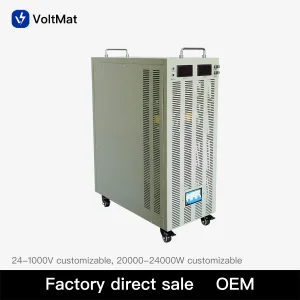
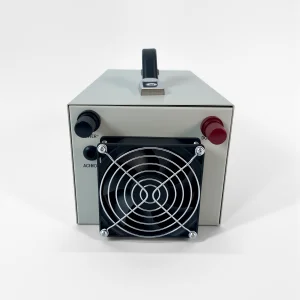
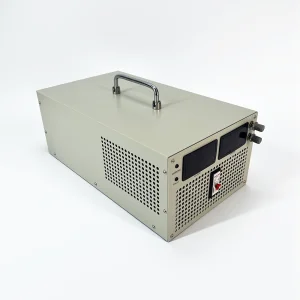
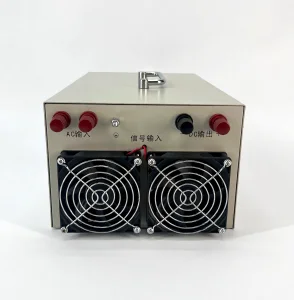
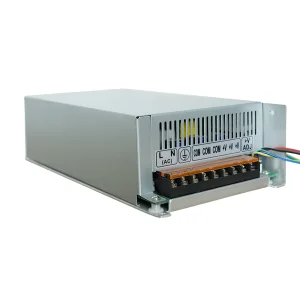
In highly sensitive electronic deployments, physical and environmental resilience is as critical as electrical efficiency. Encapsulated power supplies serve as the structural benchmark for operations within environments plagued by fine dust, chemical vapors, extreme humidity, high vibration, and fluctuating thermal cycles. By sealing internal active electronic components within protective thermosetting resins, encapsulation alters the heat dissipation dynamics, insulation capacity, and operational life of AC-DC and DC-DC power converters.
Industrial power supplies are highly susceptible to breakdown when airborne micro-particles deposit on circuit traces, causing short-circuit pathways. Encapsulation fills all air voids between the PCB, discrete components, and the casing with a specialized potting compound (usually epoxy, polyurethane, or silicone elastomer). This provides a multi-layer defense matrix:
Strategic supply chain integration, raw material access, and advanced assembly engineering combine to deliver high-reliability converters to global buyers.
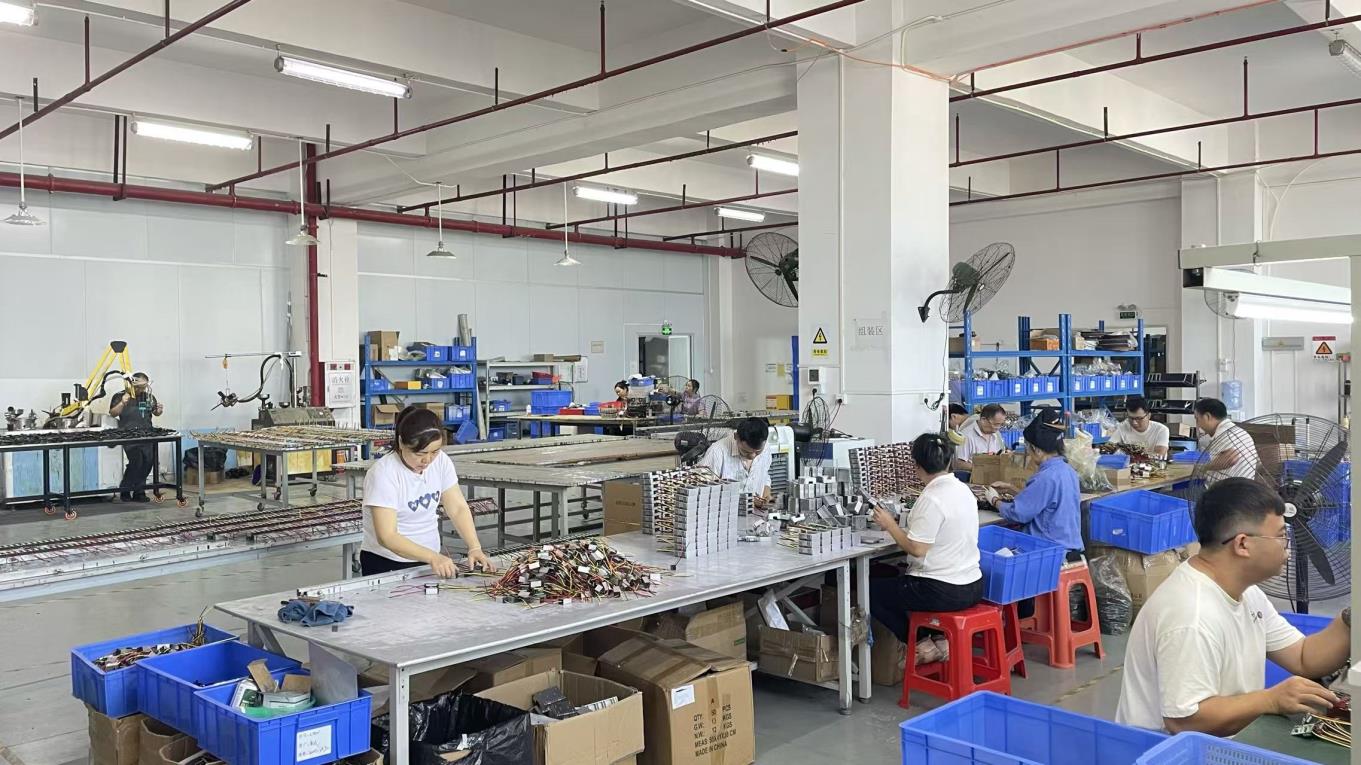
Operating from our 10,000 square meter factory in Shanghai, we have focused on engineering regulated, high-power, and encapsulated power topologies for 15 years, securing our reputation for outstanding after-sales service.
We carry out a two-round verification protocol—fully automated computer analysis followed by experienced manual review—before any unit leaves the factory floor, ensuring a 99.9% qualification rate.
We design our packaging to withstand transoceanic shipping. It features moisture-proof barriers, internal vibration damping, heavy-duty cardboard layers, and reinforced wooden frames.
Transparency is key to verifying our manufacturing expertise. Below is our complete production sequence, from initial wire preparation through encapsulation, automated testing, and final wood-frame packaging.

1. Wire Cutting
2. Plug-In

3. Soldering Tin
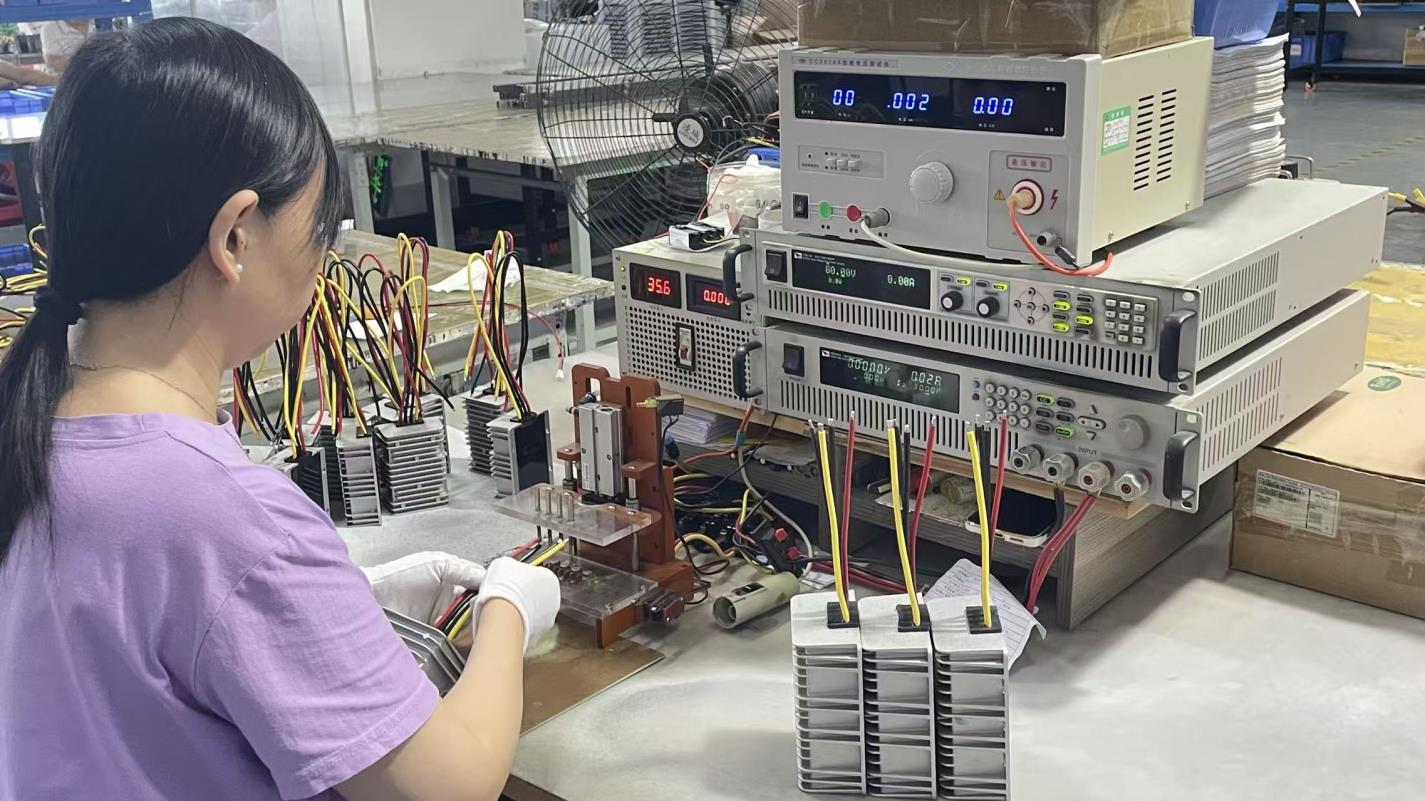
4. Initial Test

5. Glue Filling / Potting
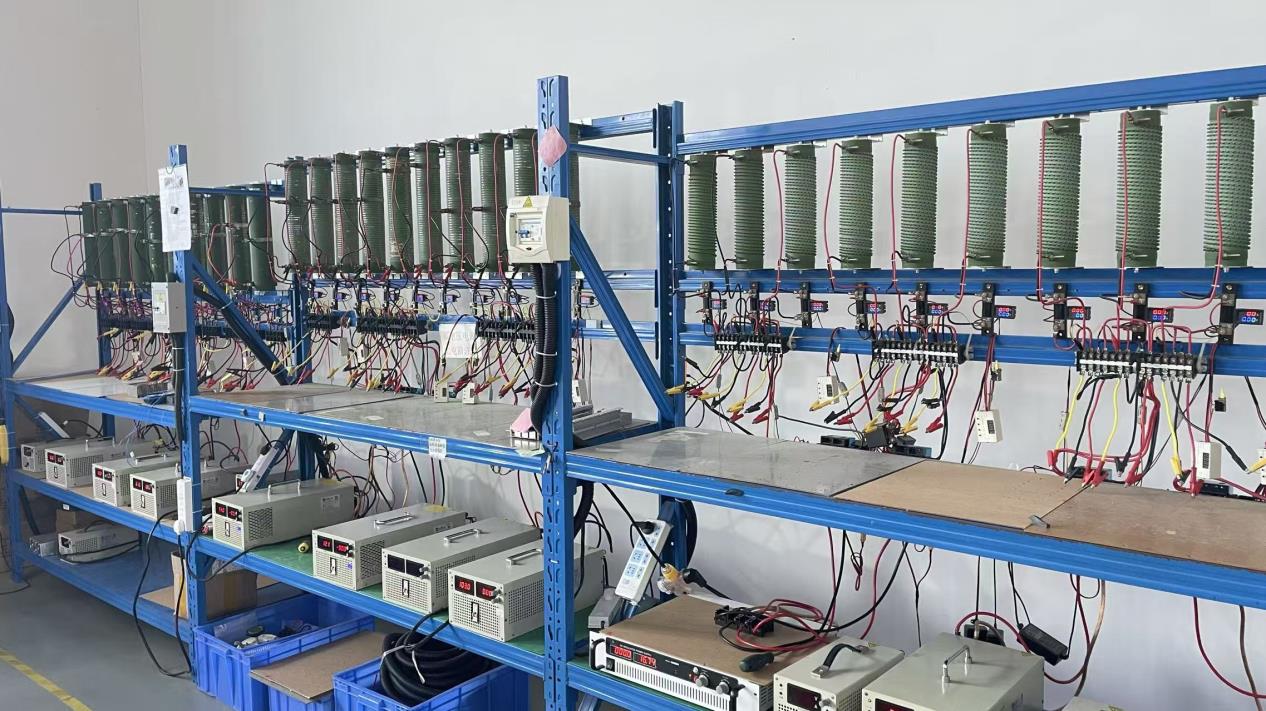
6. Burn-In Test
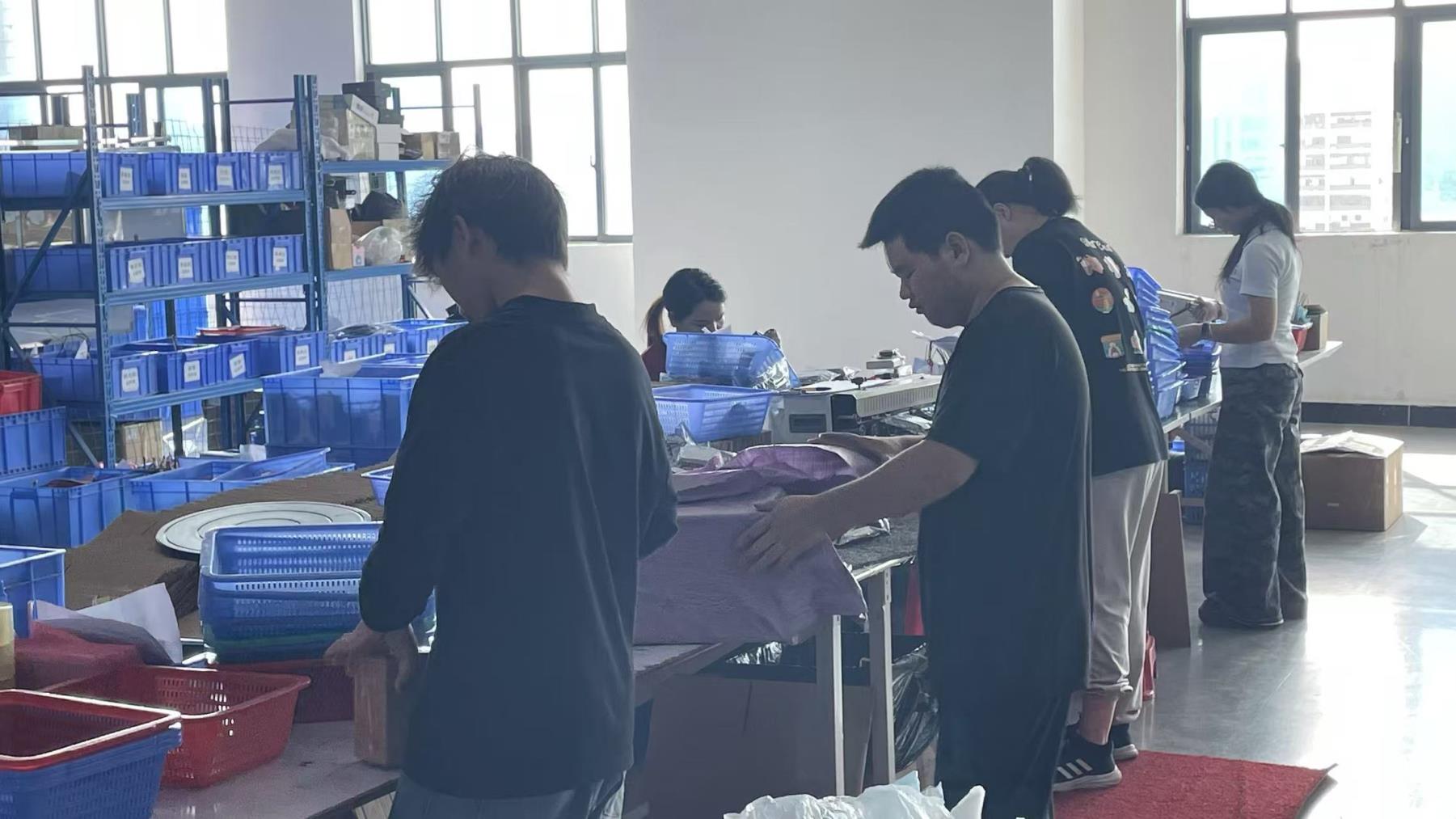
7. Packaging

8. Transformer Winding
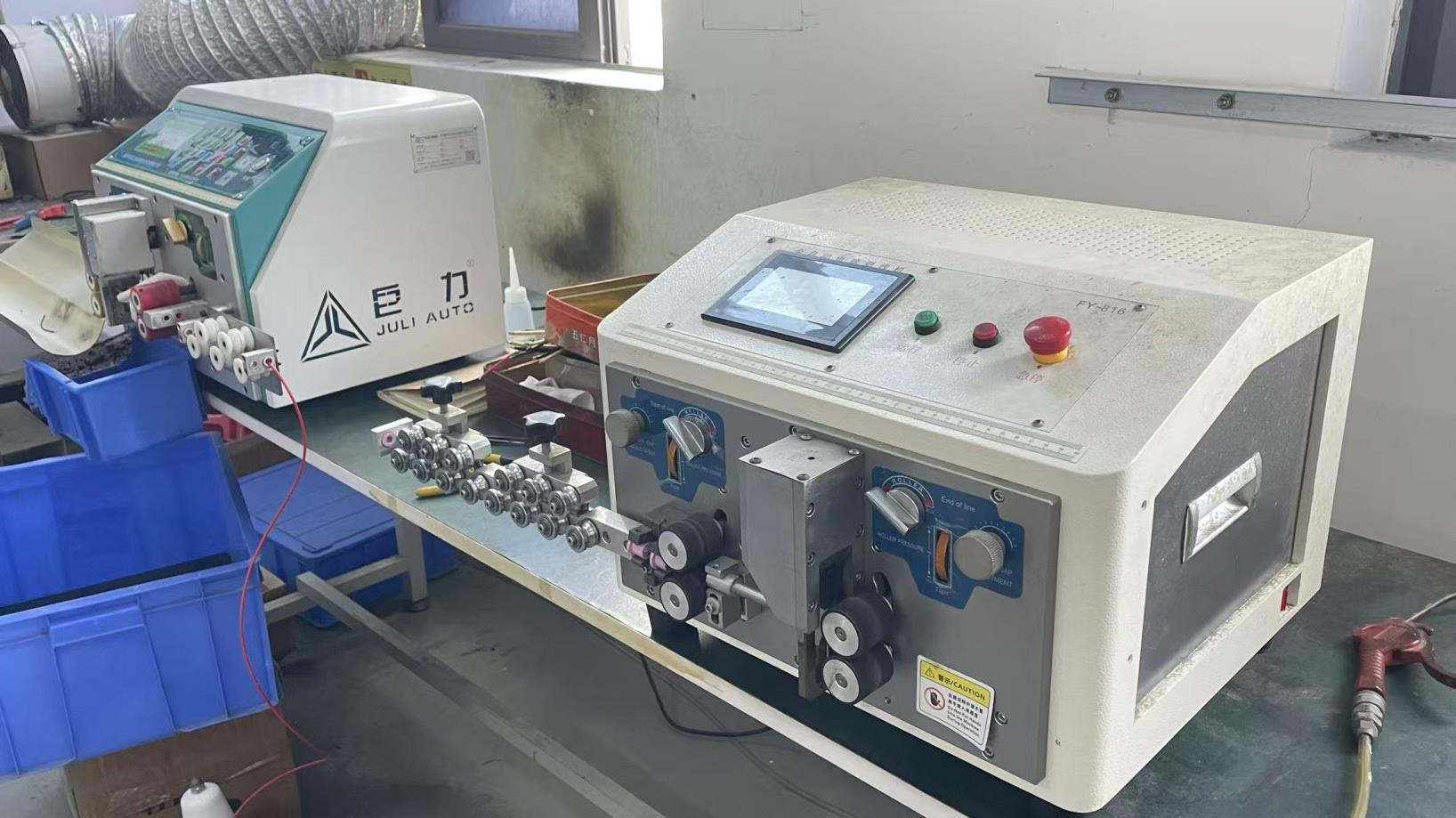
9. Auto Wire Cutting

10. Auto Soldering
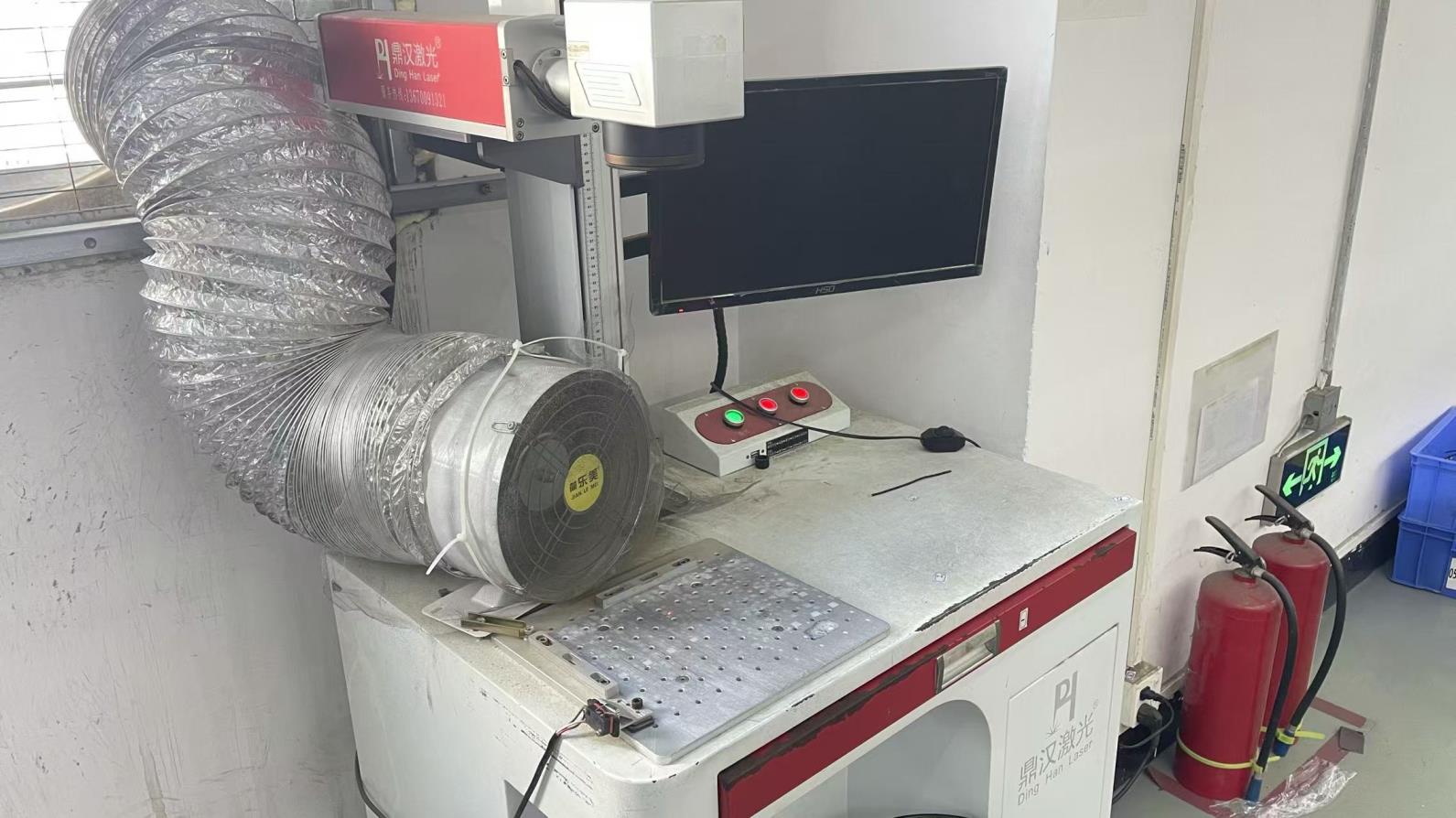
11. Laser Engraving
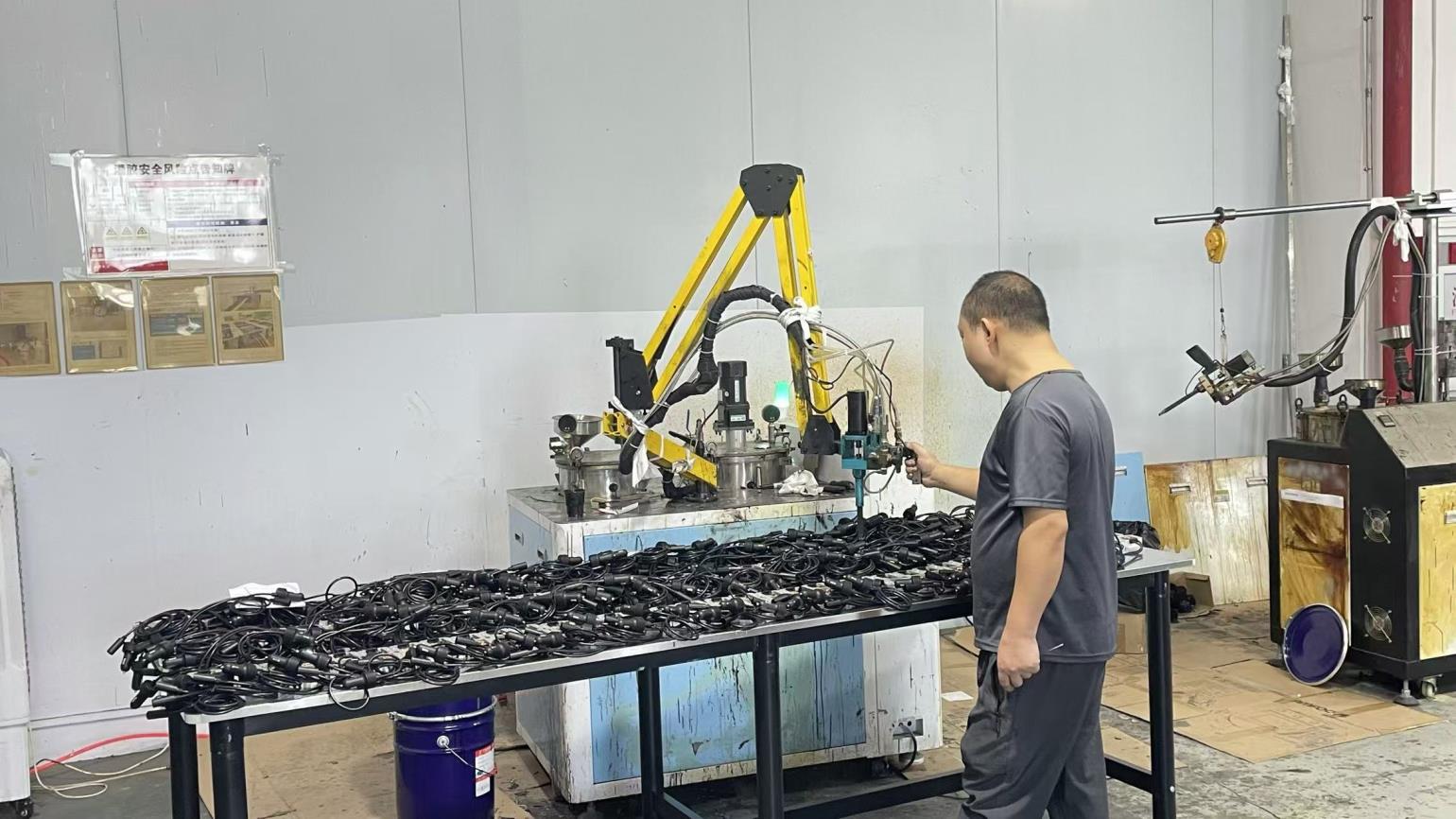
12. Canning / Potting Machine

13. Main Assembly Line
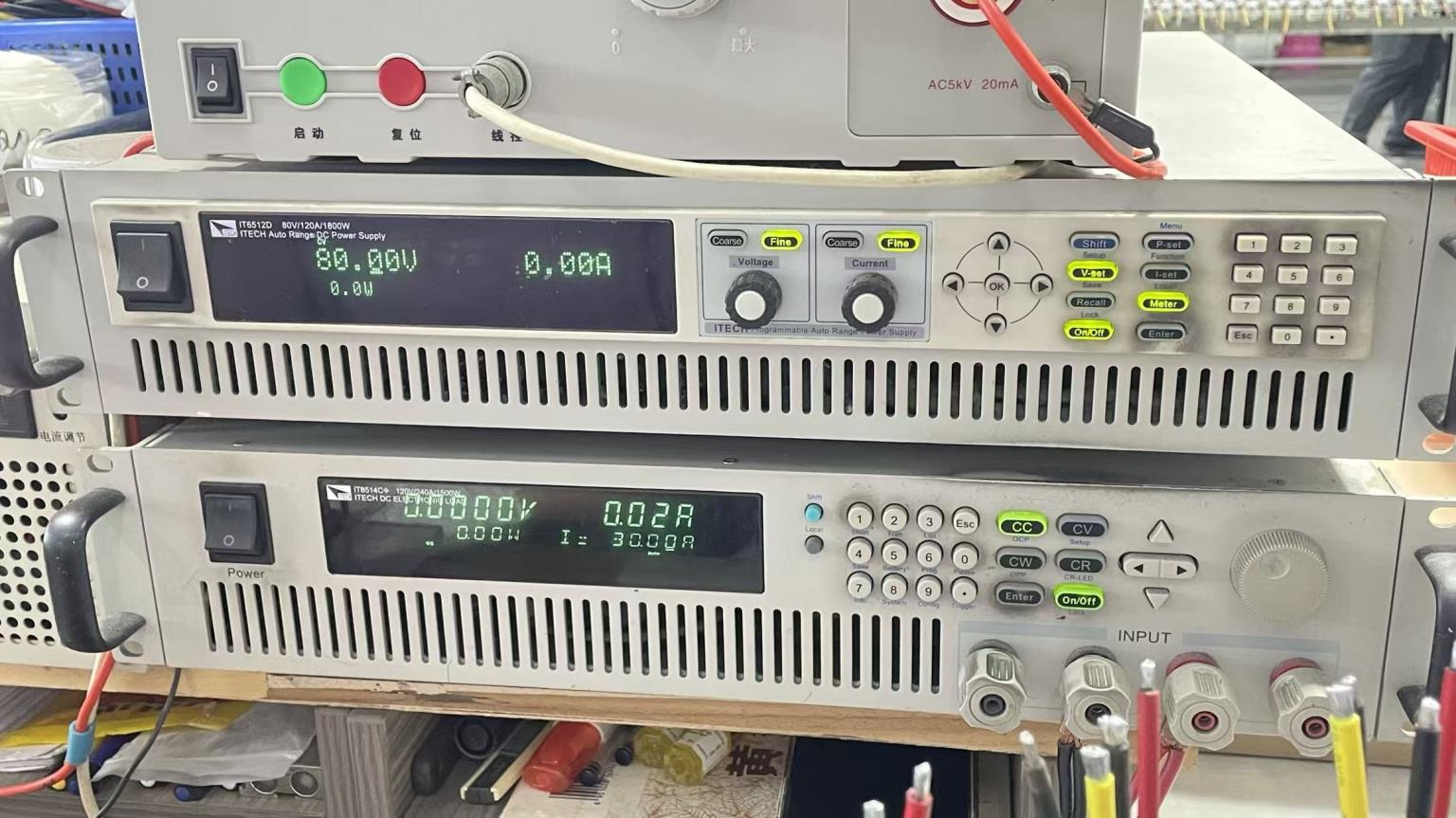
14. DC Power Tester
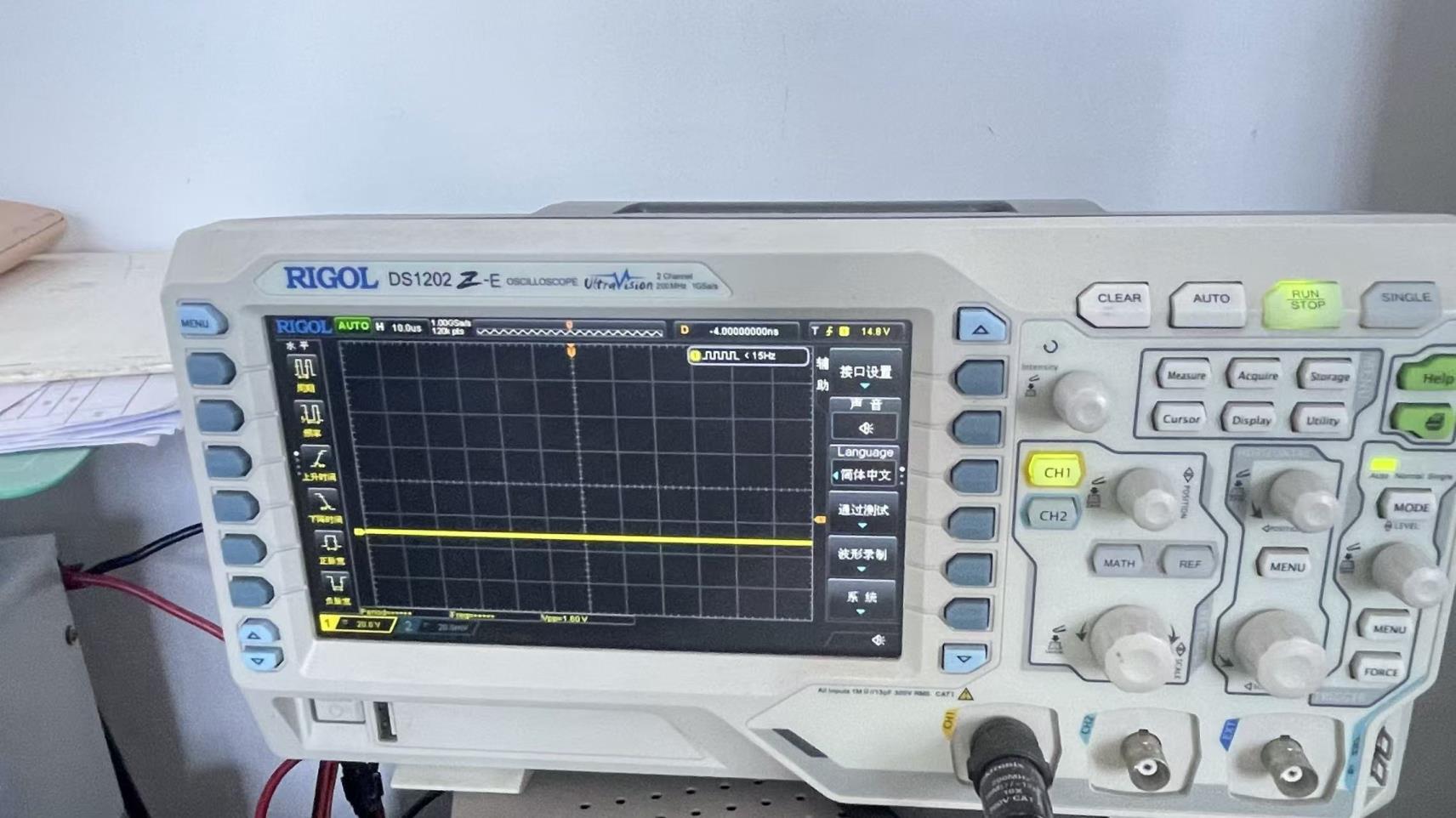
15. AC Withstand Tester
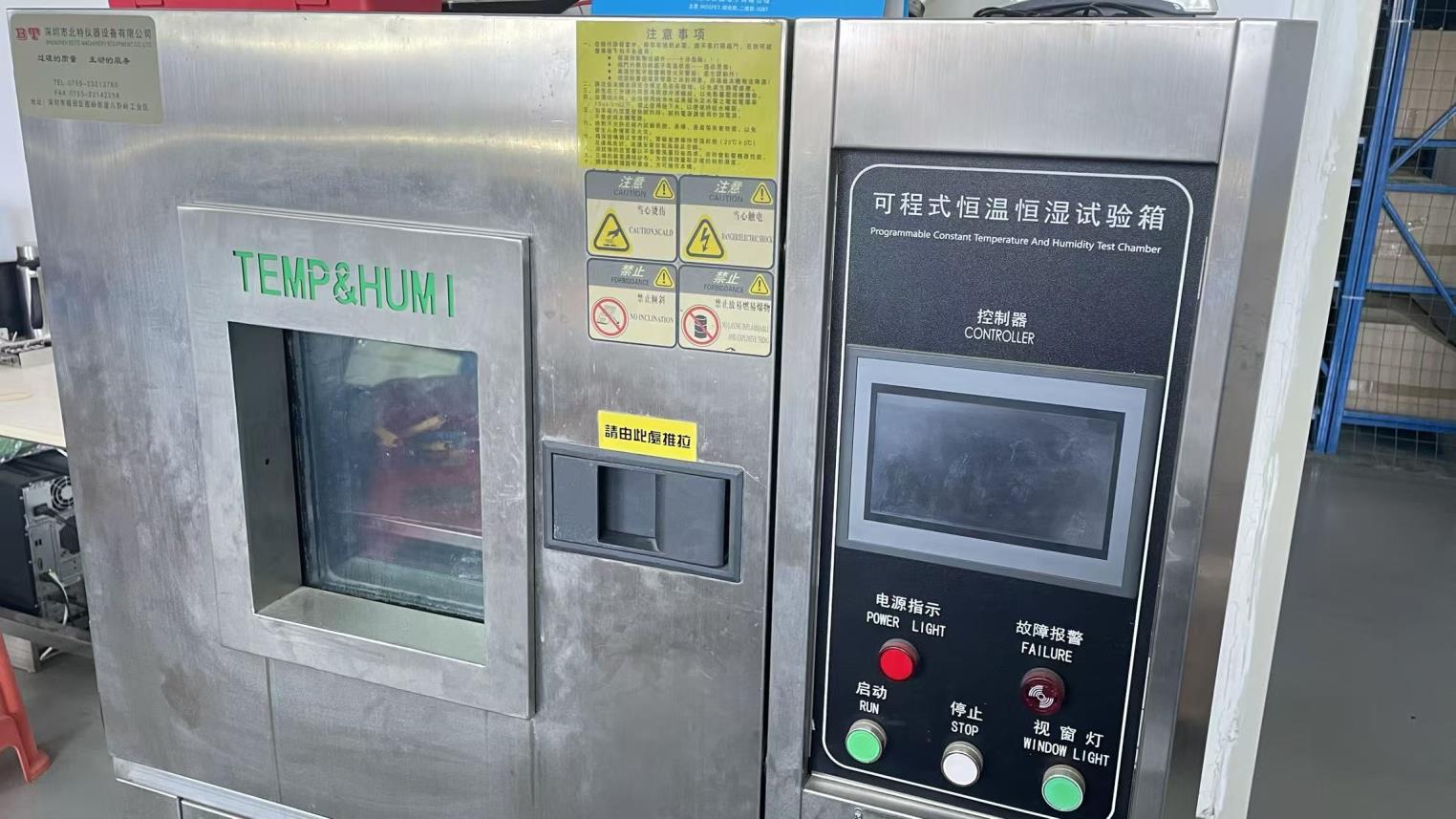
16. Environmental Chamber

17. Microscope Solder QC
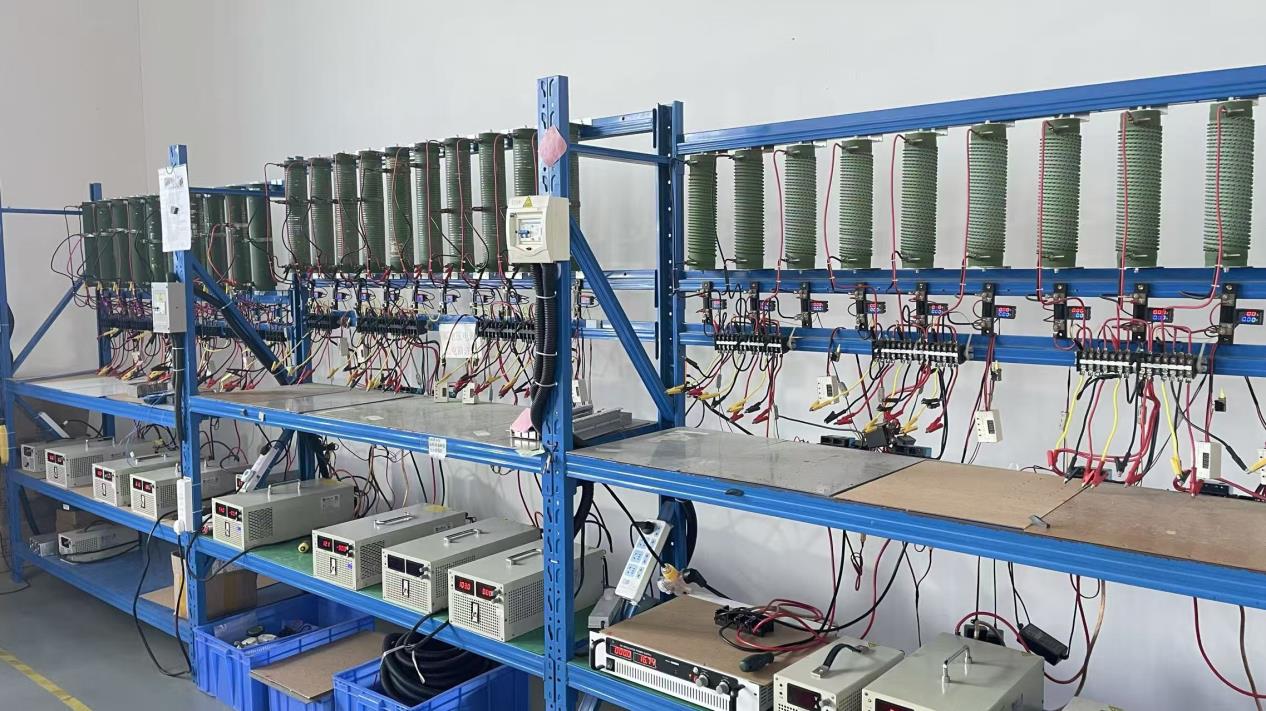
18. Burn-In Chamber (Aging)
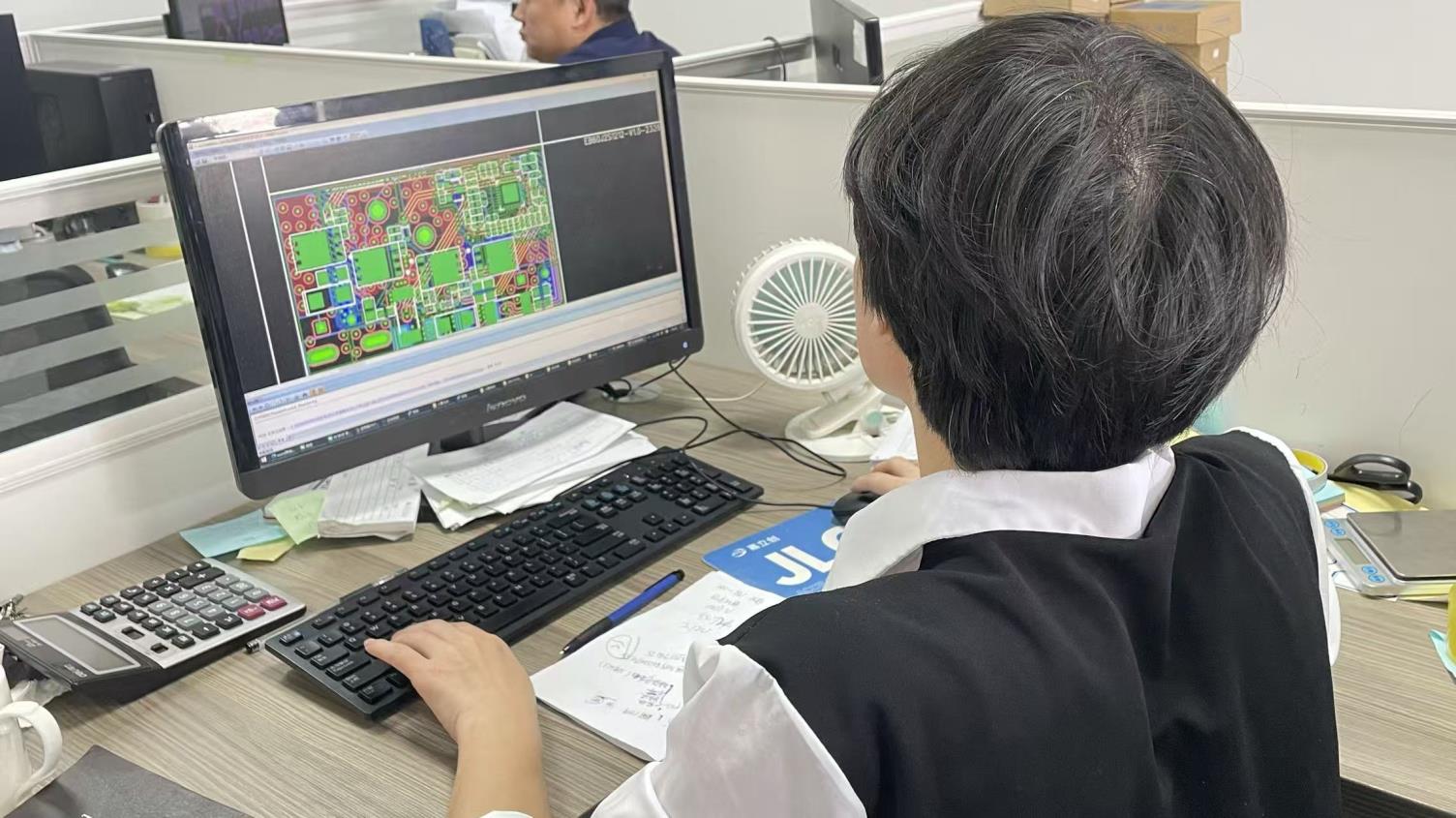
19. R&D / Engineering Design Department
Modern electrical engineering trends point to three distinct design goals: increased power density, digital telemetry integration, and wide bandgap semiconductor adoption (GaN and SiC). In the context of encapsulated power modules, these trends introduce unique engineering challenges:
Our encapsulated and regulated power systems are engineered for diverse operating environments:
What engineering and procurement managers must evaluate when selecting a manufacturing partner.
Evaluate durability rather than just initial purchase price. High-integrity encapsulation reduces field failures, saving on maintenance, replacement, and warranty costs.
Verify that suppliers use UL94 V-0 flame-retardant potting compounds and RoHS-compliant components to ensure environmental and safety standard compliance.
Ensure your factory partner can offer adjustable voltage outputs (e.g., 12V-1000V options) to match the distinct voltage profiles of your target applications.
Get expert answers to common technical queries from procurement professionals and design engineers.
Open-frame power supplies rely on surrounding air currents for heat dissipation and offer no physical barrier against environmental contaminants. Encapsulated models protect internal components using thermosetting resins, sealing them against humidity, dust, and corrosive vapors while offering improved vibration resistance.
Standard air features very low thermal conductivity (approx. 0.026 W/m·K). Standard potting compounds, by contrast, offer thermal conductivity values ranging from 0.8 to over 2.0 W/m·K. This enables more efficient heat transfer from high-temperature components to the outer aluminum chassis, lowering localized temperatures and extending component lifespans.
Computer-automated testing excels at processing high volumes and measuring precise parameters, such as transient response curves and ripple voltage. Manual inspection by experienced engineers helps identify physical anomalies, structural misalignments, or subtle defects that automated systems might miss. Combined, they help ensure our 99.9% factory qualification rate.
Yes. Our platform offers wide adjustable ranges (such as 12V-600V or 24V-1000V options) to suit diverse industrial applications, including high-power laboratory setups, battery charging stations, and motor testing rigs.
We use a multi-tiered shipping container system. This includes internal vapor-corrosion-inhibiting (VCI) bags to prevent moisture damage, form-fitted shock-absorbing foam, heavy double-wall cardboard boxes, and reinforced external wooden frames to prevent crushing or mechanical damage during shipping.
Explore our high-voltage and high-current DC regulated systems, optimized for laboratory testing, battery manufacturing, and heavy-duty industrial automation.