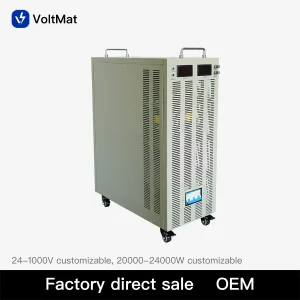
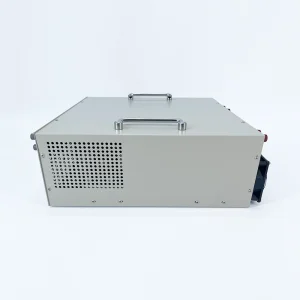
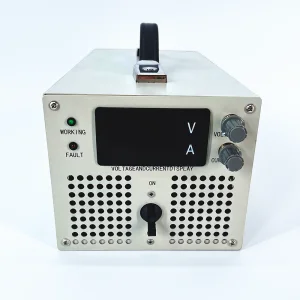
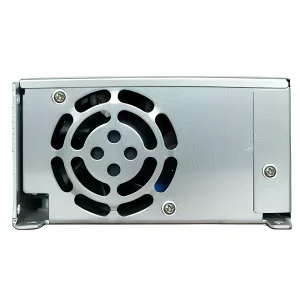
Voltmat Power Voltmat Power

Top China APFC Power Supply Manufacturers & Exporter

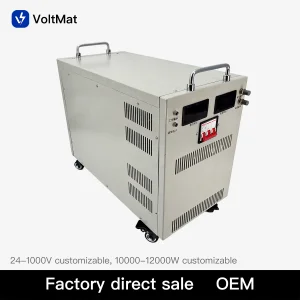
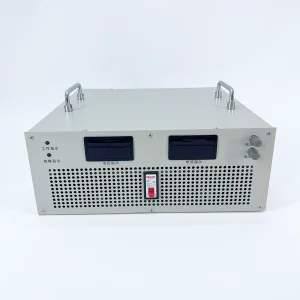
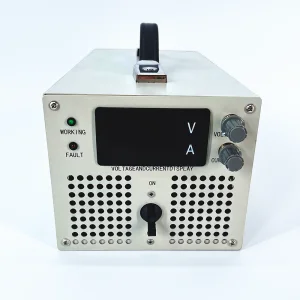
Engineered High-Power Active Power Factor Correction DC Switching Power Supplies for Global Heavy-Duty Industrial Infrastructures

Understanding Active PFC: The Cornerstone of Green Manufacturing

As the global commercial sector shifts toward automated assembly, green energy production, and rigid energy conservation policies, standard power topologies fall short. Passive Power Factor Correction (PFC) designs are no longer sufficient to comply with modern utility requirements such as the IEEE 519 standard or the EU's Ecodesign Directive.

Active Power Factor Correction (APFC) uses high-speed semiconductor switching systems (such as SiC MOSFETs) to dynamically adjust the input current wave. By matching the phase of the line voltage closely, APFC yields a Power Factor (PF) of up to 0.99, drastically reducing Total Harmonic Distortion (THD) to below 5%. This prevents high-order harmonics from feeding back into the factory's AC mains, mitigating thermal strain on transformers and keeping other sensitive electronic systems safe.

Direct Export Efficiency: Strategically headquartered in Shanghai, our operations offer direct access to premier international freight pathways, assuring seamless containerized global shipments with optimal delivery lead times.

Operational Specifications & QC Parameters

15+
Years R&D
High-power supply specialization
99.9%
Qualification
Dual computer & manual tests
10k㎡
Factory Area
State-of-the-art Shanghai facility
>0.99
Power Factor
Compliant with IEEE 519 standards

Addressing Global B2B Industrial Sourcing Challenges

Procurement managers and engineering leads require reliable solutions for equipment compatibility and local grid integration. Here is how our APFC power supplies fulfill these requirements:

Procurement Pain Point APFC Technical Solution Operational Benefit
Grid Voltage Fluctuations Wide range multi-voltage inputs (Single & Three-Phase auto-ranging topologies) Continuous operation despite localized brownouts or unstable grid conditions.
Reactive Power Surcharges Active Power Factor Correction yielding cos φ ≥ 0.99 under load variations Avoids local electrical utility penalties and minimizes energy dissipation.
Thermal Failures & Service Life Automated canning, protective potting, and constant temperature chamber validation Enhanced heat dissipation preventing components from thermal runaway.
Integration Compatibility 0-10V, 4-20mA analog interfaces, RS485 / Modbus digital communication protocols Simple installation into existing SCADA systems, PLCs, and manufacturing cells.

Macro Sector Solutions

  • Electrochemical Electroplating: High-power output options (up to 16,000W) provide stable, low-ripple constant current modes to guarantee uniform coating layers.
  • Wastewater & Advanced Filtration: Regulated high-voltage outputs up to 1000V facilitate electrolysis processes, treating industrial run-off safely.
  • Battery Pack Charging & Diagnostics: Configurable CC/CV profiles allow automated testing cycles for EV modules and energy storage cells.
  • Industrial Automation & Medical: Power supplies with single, high-efficiency outputs provide the stability needed for CNC laser cutters and medical imaging equipment.

Why Our Shanghai Manufacturing Hub Fits

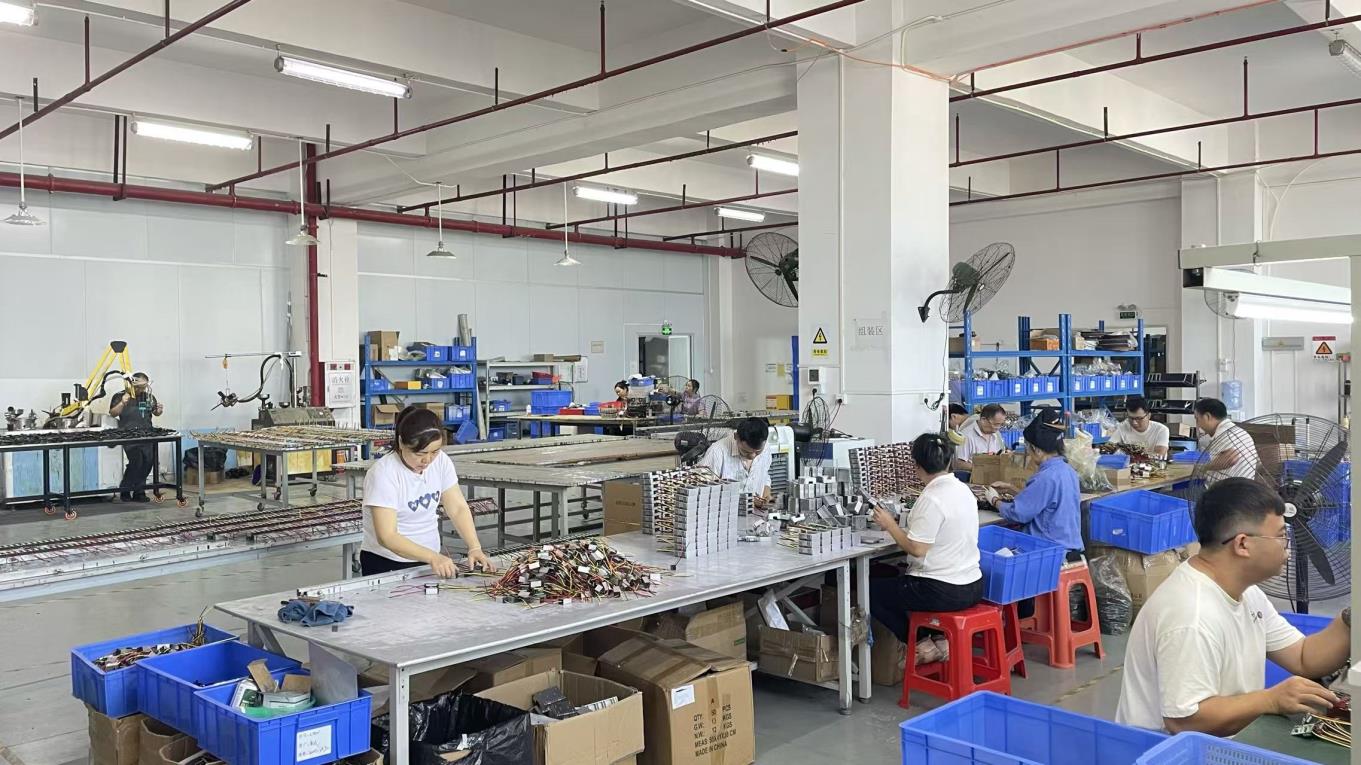
We operate a professional, 10,000 square meter factory dedicated to high-power regulated systems. Over 15 years, we have optimized our supply chains to balance component sourcing, automated production, and rigorous inspection protocols.

Every industrial unit we build undergoes two separate evaluation rounds—a computerized automated parametric check and an engineer-guided load test—reaching an verified output quality level of 99.9%. Shipping configurations feature moisture-proof wrapping, internal shock-absorbing materials, heavy cardboard casing, and structural wooden framing to ensure safe arrival at your facility.

Technical Roadmap & System Outlook

Our ongoing R&D pipeline is focused on driving higher power density, advanced thermal engineering, and smarter communication capabilities.

Phase I: High-Bandgap Semiconductors

Silicon Carbide (SiC) & GaN Switching

Transitioning switching topologies from traditional Silicon IGBTs to Silicon Carbide (SiC). This reduces switching losses by up to 40% and enables smaller chassis configurations.

Phase II: Intelligent Control Loops

Digital DSP Power Management

Using digital signal processing (DSP) to replace analog control loops. This enables firmware adjustments of transient response times and real-time telemetry over CAN bus, RS485, and Ethernet.

Phase III: Advanced Thermal Control

Modular Liquid Cooling

Expanding liquid-cooled models to supplement our forced-air cooling systems, allowing IP65 rated enclosures to run reliably in high-dust and corrosive atmospheres.

Our Shanghai Production Processes & Quality Control Pipeline

Take a step-by-step look inside our 10,000-square-meter facility, tracing our quality control protocols from design to final shipment.

Design Stage
Design
Wire Cutting Process
Wire Cutting
Component Plug-In
Plug-In
Soldering Tin Station
Soldering Tin
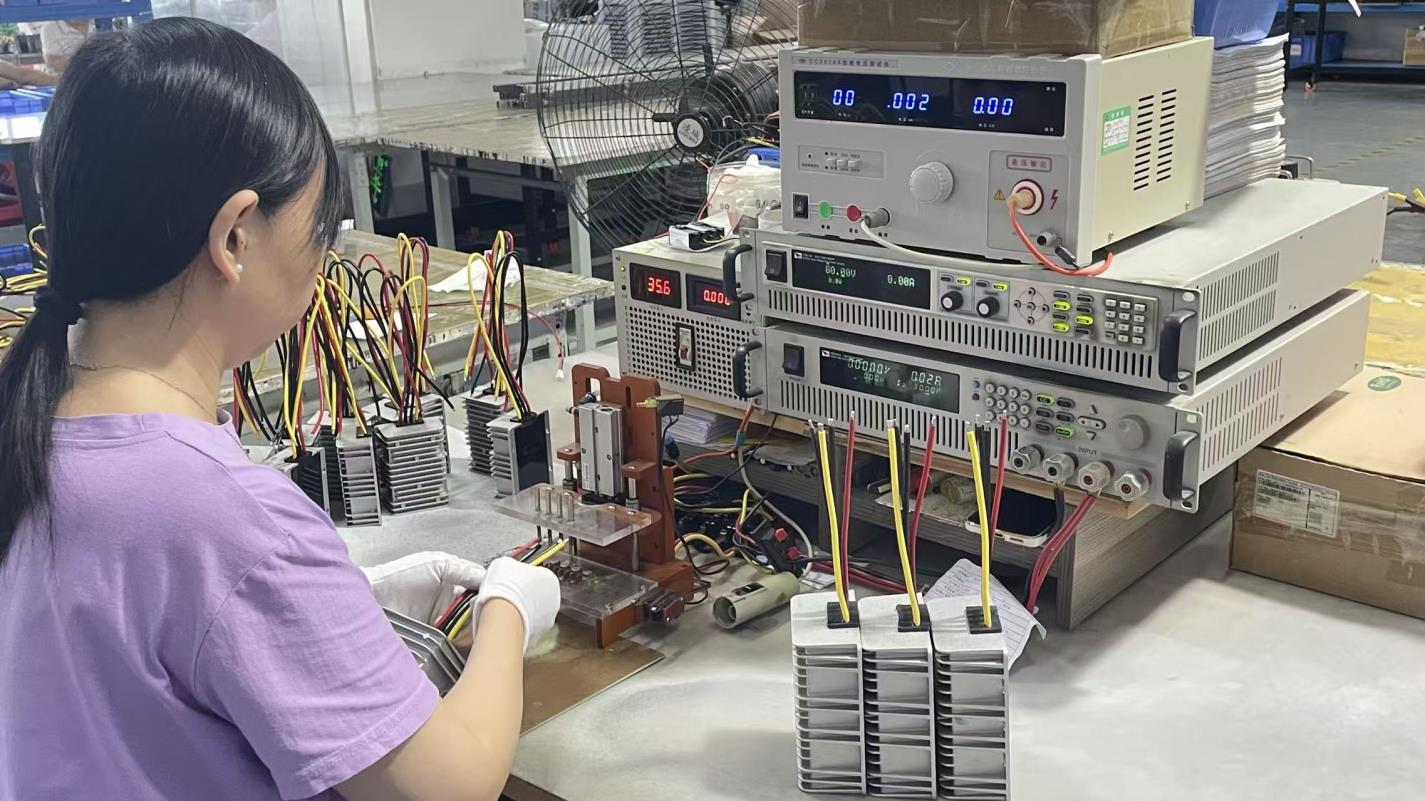
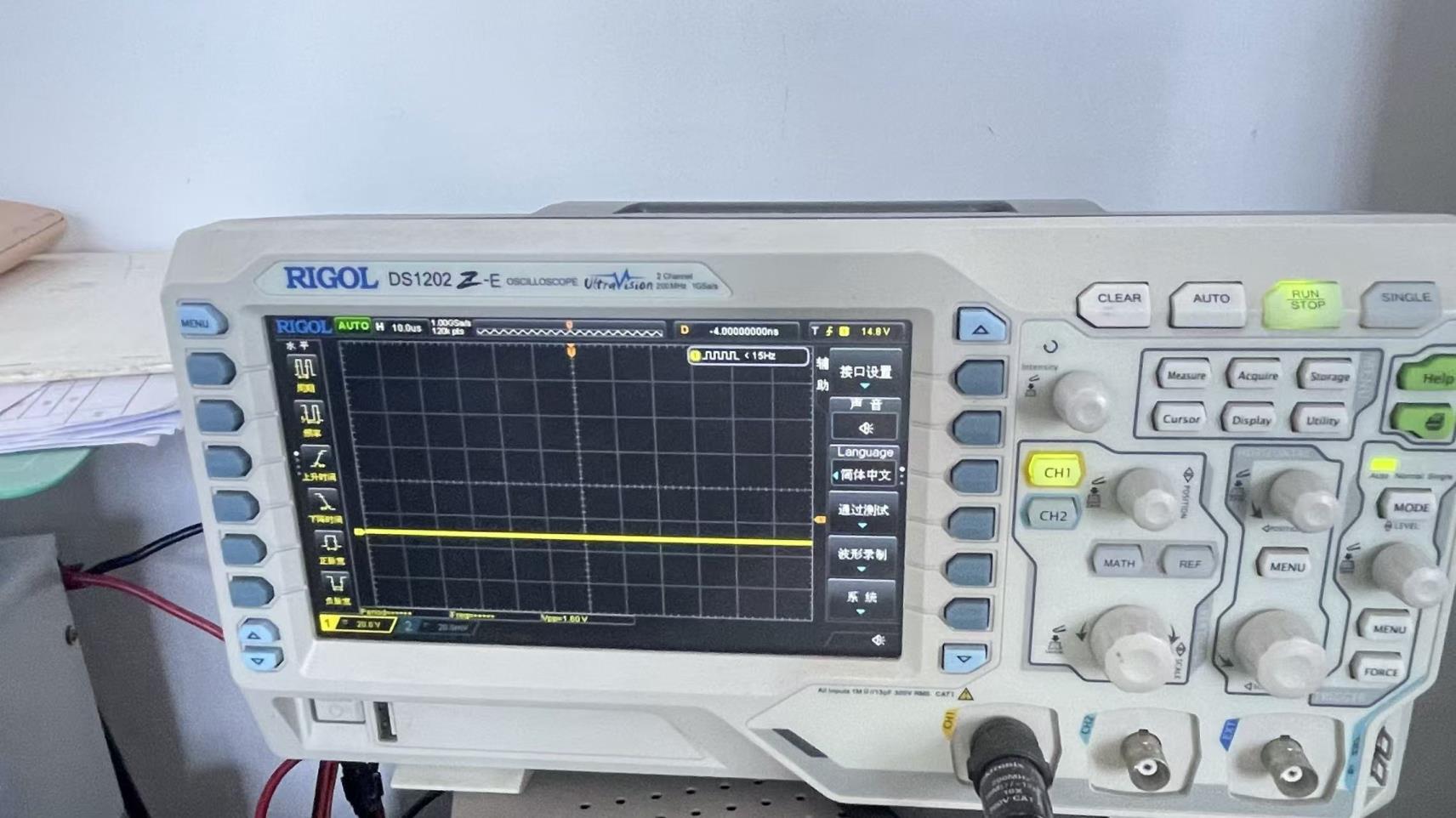
Parametric Test Stage
Test
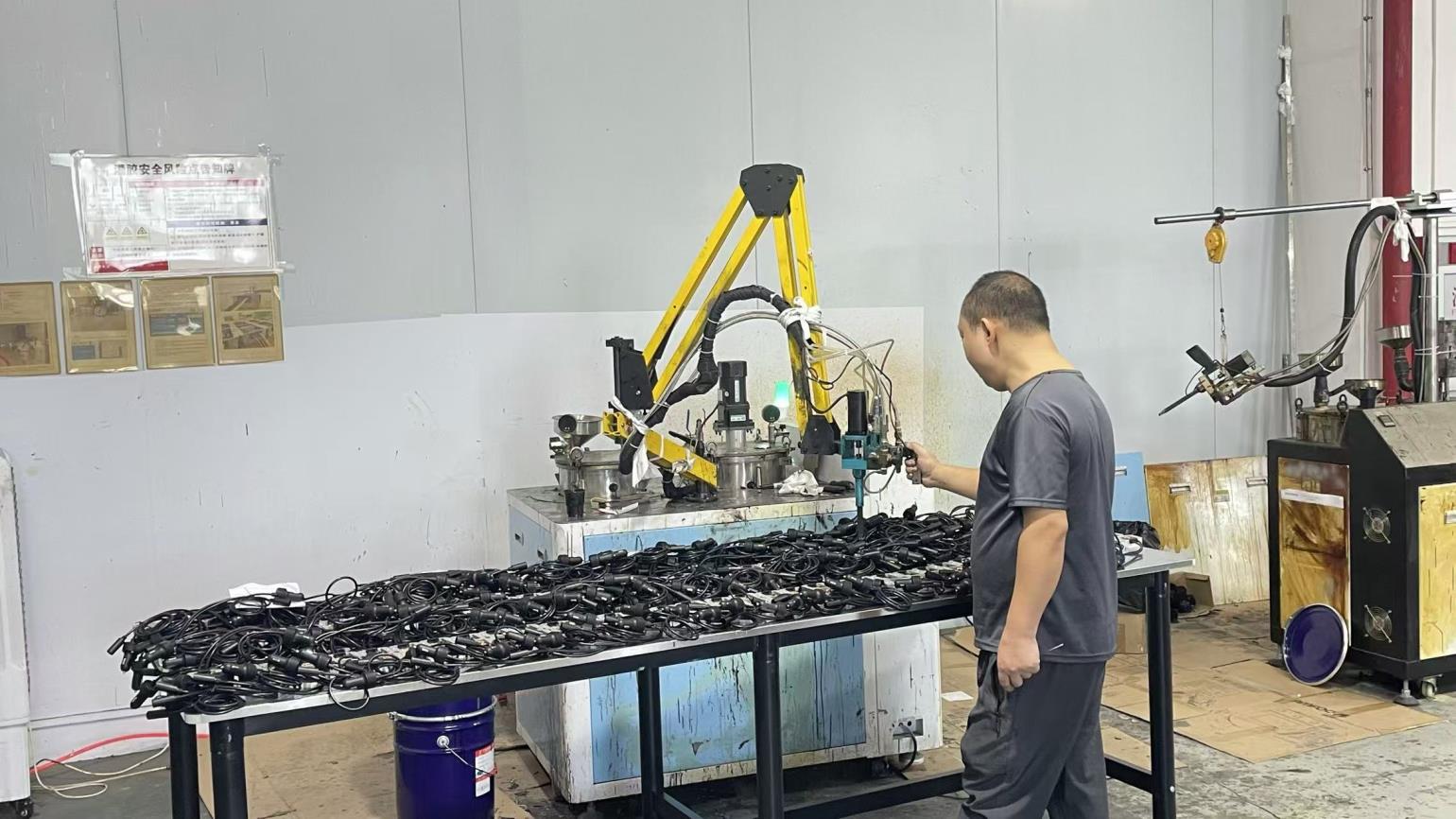
Glue Filling and Sealant Application
Glue Filling
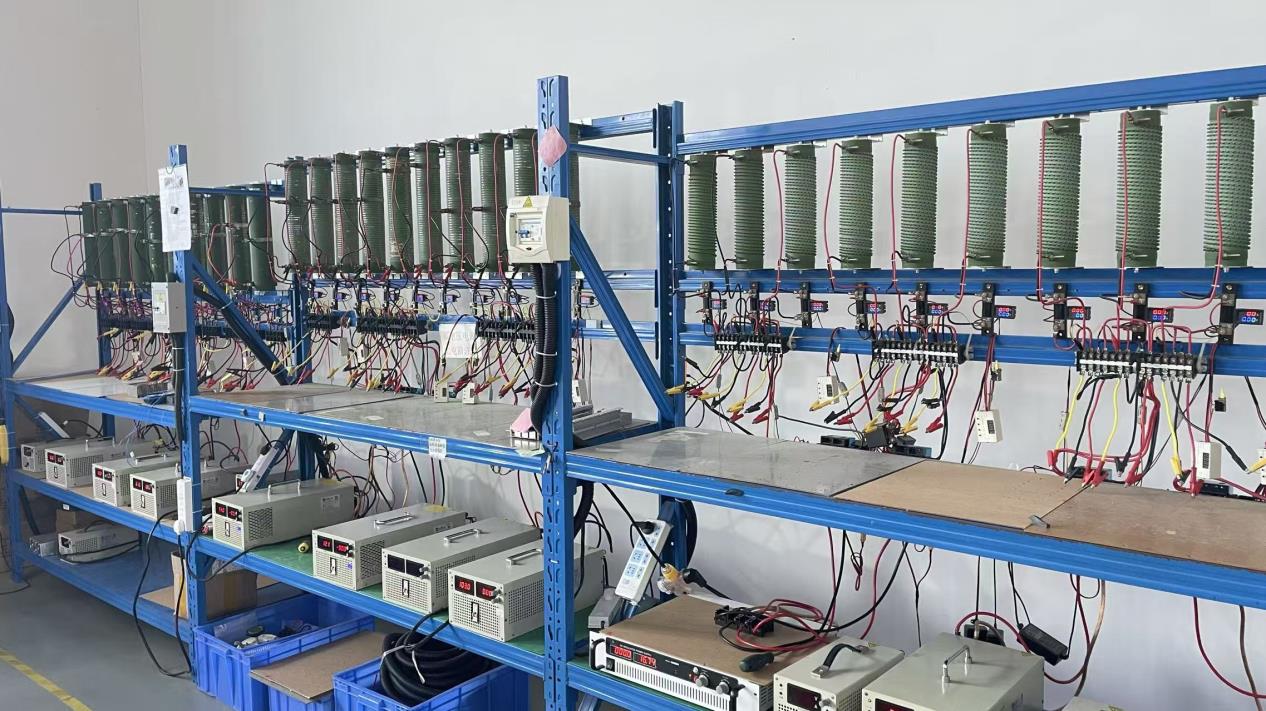
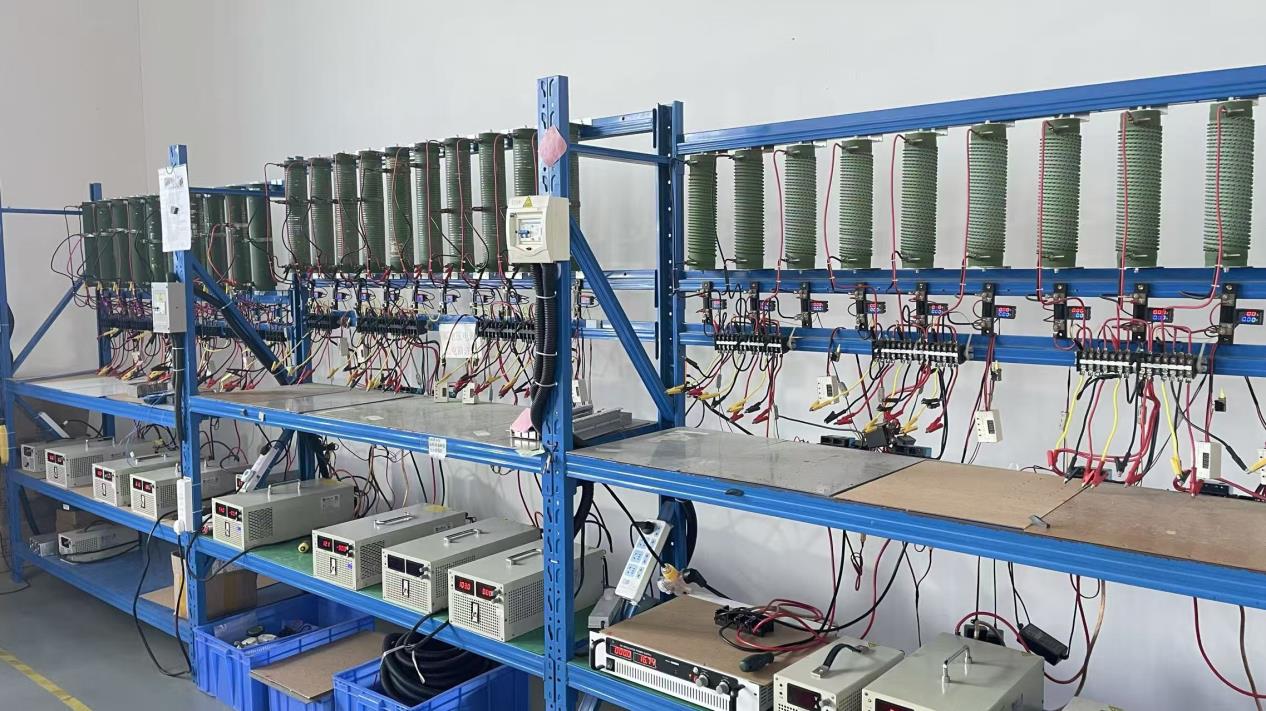
Full Load Burn-In Test
Burn-In Test
Packaging Operations
Packaging
Coil Winding Machine
Winding Machine
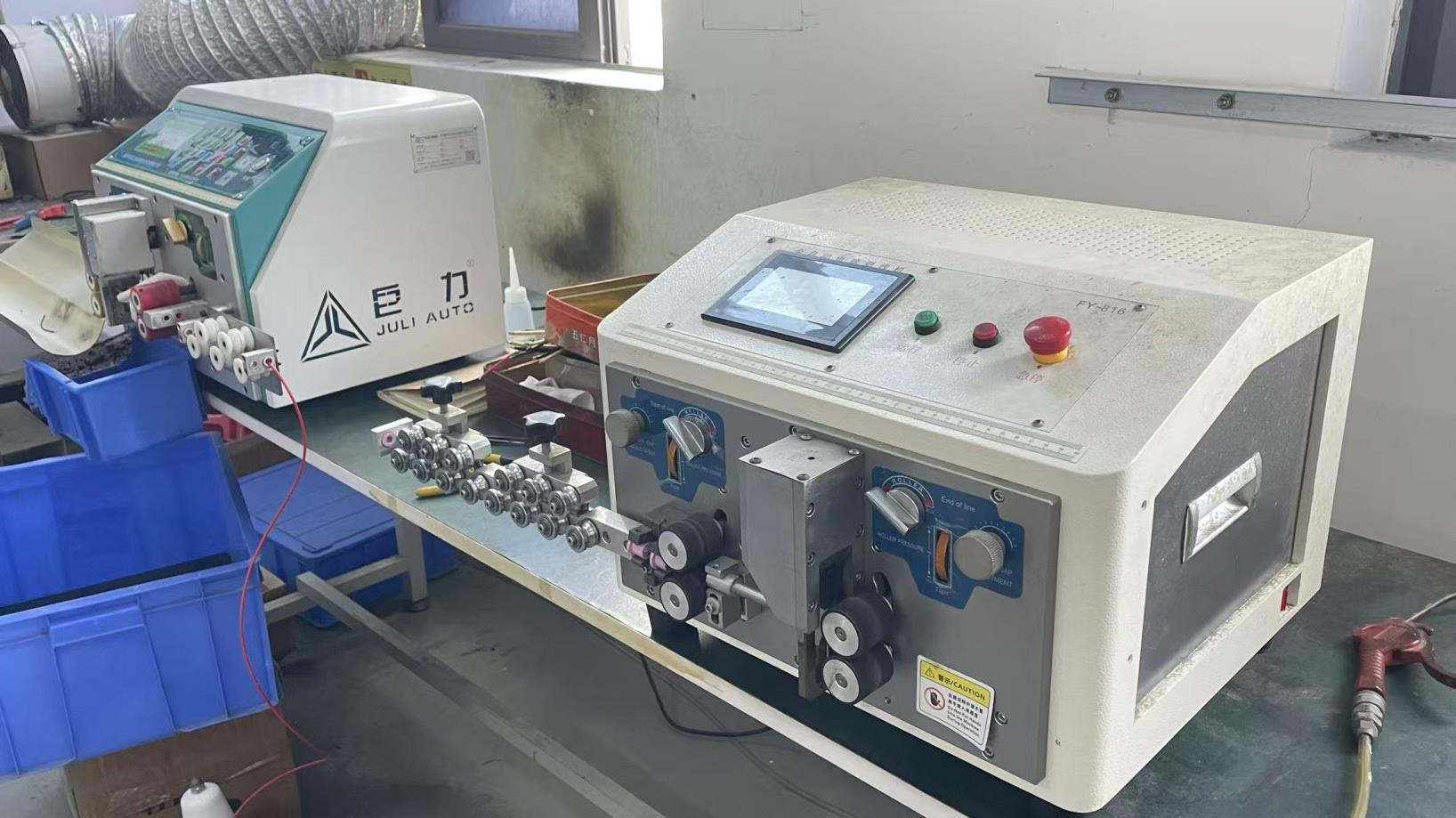
Wire Cutting Machine
Automatic Soldering Machine
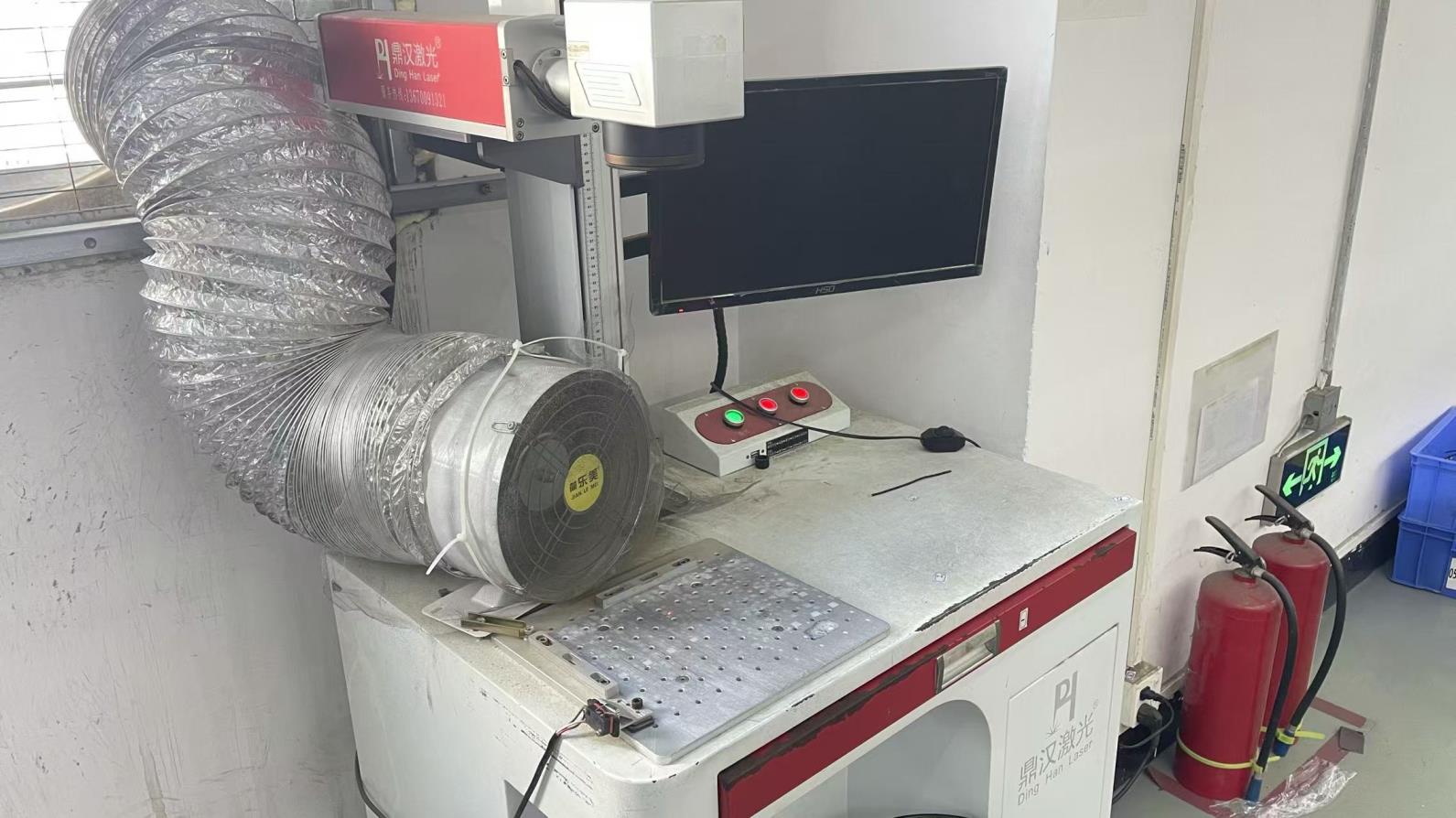
Laser Engraving Machine for labeling
Laser Engraving Machine
Canning machine
Canning machine
Assembly Line
Assembly Line
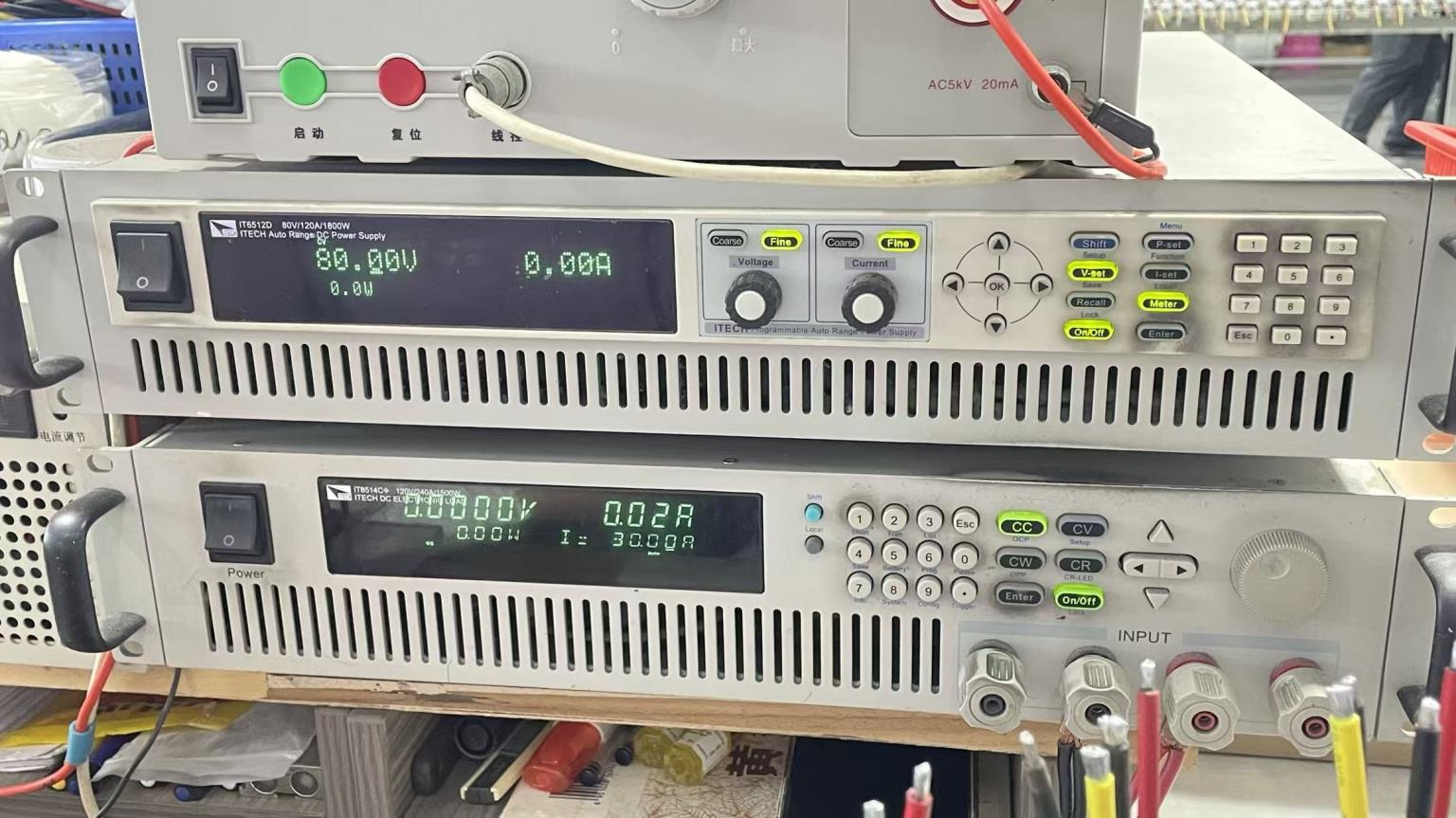
DC Power Supply Tester
AC Withstand Voltage Tester
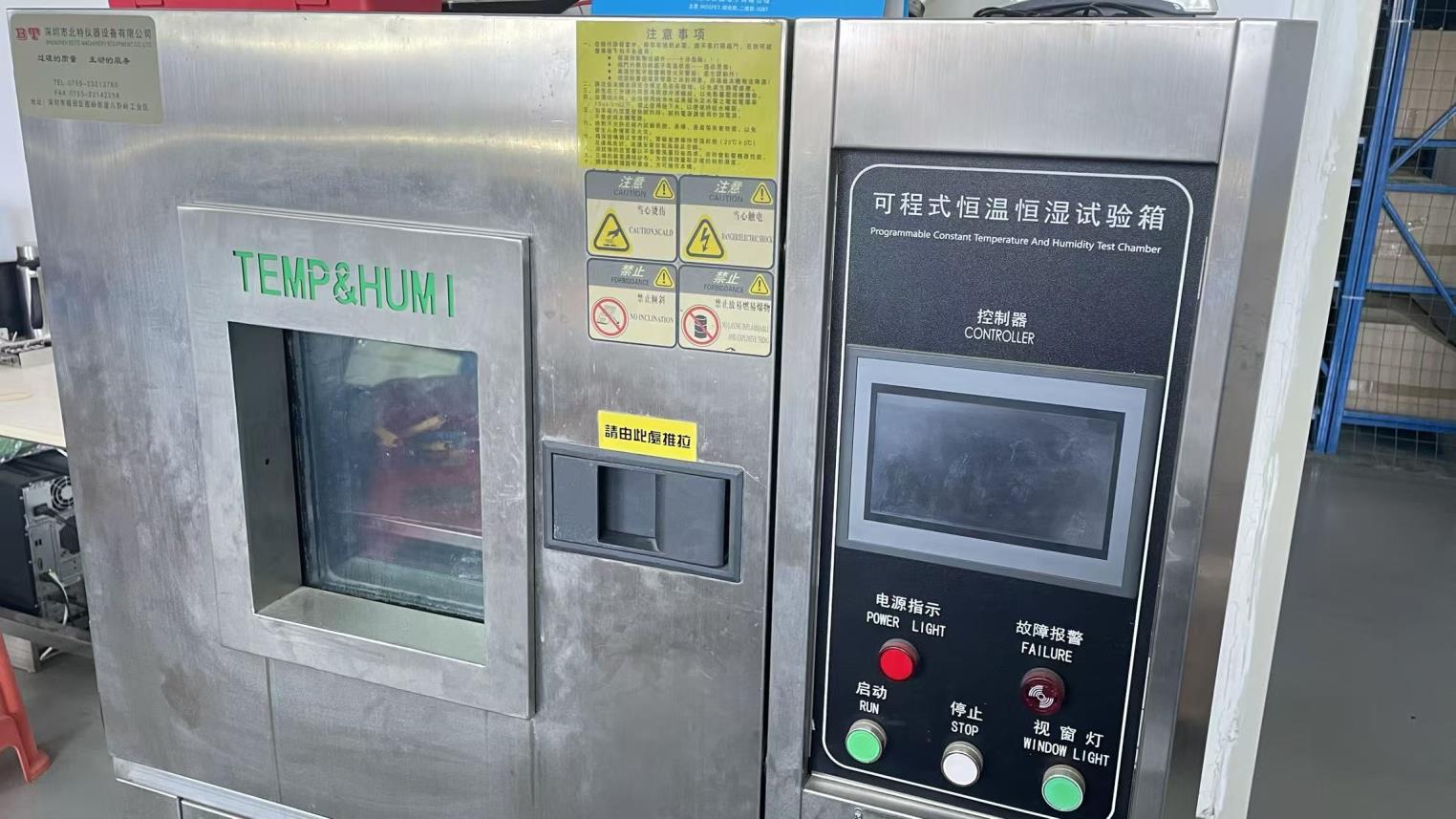
Constant temperature and humidity chamber
Optical microscope inspection
Optical microscope
Aging test chambers
Aging test

Technical Frequently Asked Questions

Get answers to common technical, design, and integration queries from our engineering team.

Why is Active PFC (APFC) superior to Passive PFC in high-power setups?
Active PFC uses switching electronics (boost converters) to match the current draw to the voltage waveform. This achieves a power factor of up to 0.99 with low THD (<5%), whereas Passive PFC typically reaches only 0.70 to 0.85 and requires bulky inductors. APFC is crucial for high-power systems to protect line transformers and maintain high electrical efficiency.
What custom voltage and power configurations do you support?
We provide power supply options ranging from 12V to 1000V DC outputs, with power capacities scaling up to 16,000W per single chassis. We can configure systems for various single-phase or three-phase industrial inputs to align with your regional grid specifications.
How does the 99.9% product qualification rate scale across production?
Our quality control includes automated parametric checking and a full-load manual test. This dual testing process identifies performance deviations before packaging, helping us maintain a 99.9% qualification rate at shipment.
What steps do you take to prevent damage during international shipping?
Our export packaging includes: moisture-proof wrapping to protect internal electronics, shock-absorbing materials to cushion against vibrations, rigid cardboard casing, and reinforced structural wooden frames to ensure secure international shipping.
Can these systems integrate with factory PLCs or SCADA control nodes?
Yes, our industrial units include standard analog interfaces (0-10V, 4-20mA) and digital communication protocols (RS485, Modbus). This allows direct integration with industrial monitoring networks, PLC control units, and automated testing cells.